Scale isn’t impact
〰️
SCALE ISN’T IMPACT — PRECISION • TENSION • ATMOSPHERE • HUMAN TRUTH
〰️ SCALE ISN’T IMPACT — PRECISION • TENSION • ATMOSPHERE • HUMAN TRUTH
Lately I’ve been thinking about how often people confuse scale with impact.
Like if a film doesn’t have a giant budget, a dozen locations, endless spectacle, or some oversized concept attached to it, then somehow it means less.
I don’t buy that.
Some of the most effective films I’ve watched recently didn’t hit because they were huge. They hit because they were precise. Because they trusted atmosphere, tension, metaphor, discomfort, and human behavior more than noise.
That’s what connects the three films I’m talking about here: Exit 8,Tokyo!, and Tokyo Sonata.
They’re very different films. Different rhythms. Different structures. Different experiences.
But all three reminded me of the same thing:
Great filmmaking doesn’t need to be massive to leave a mark.
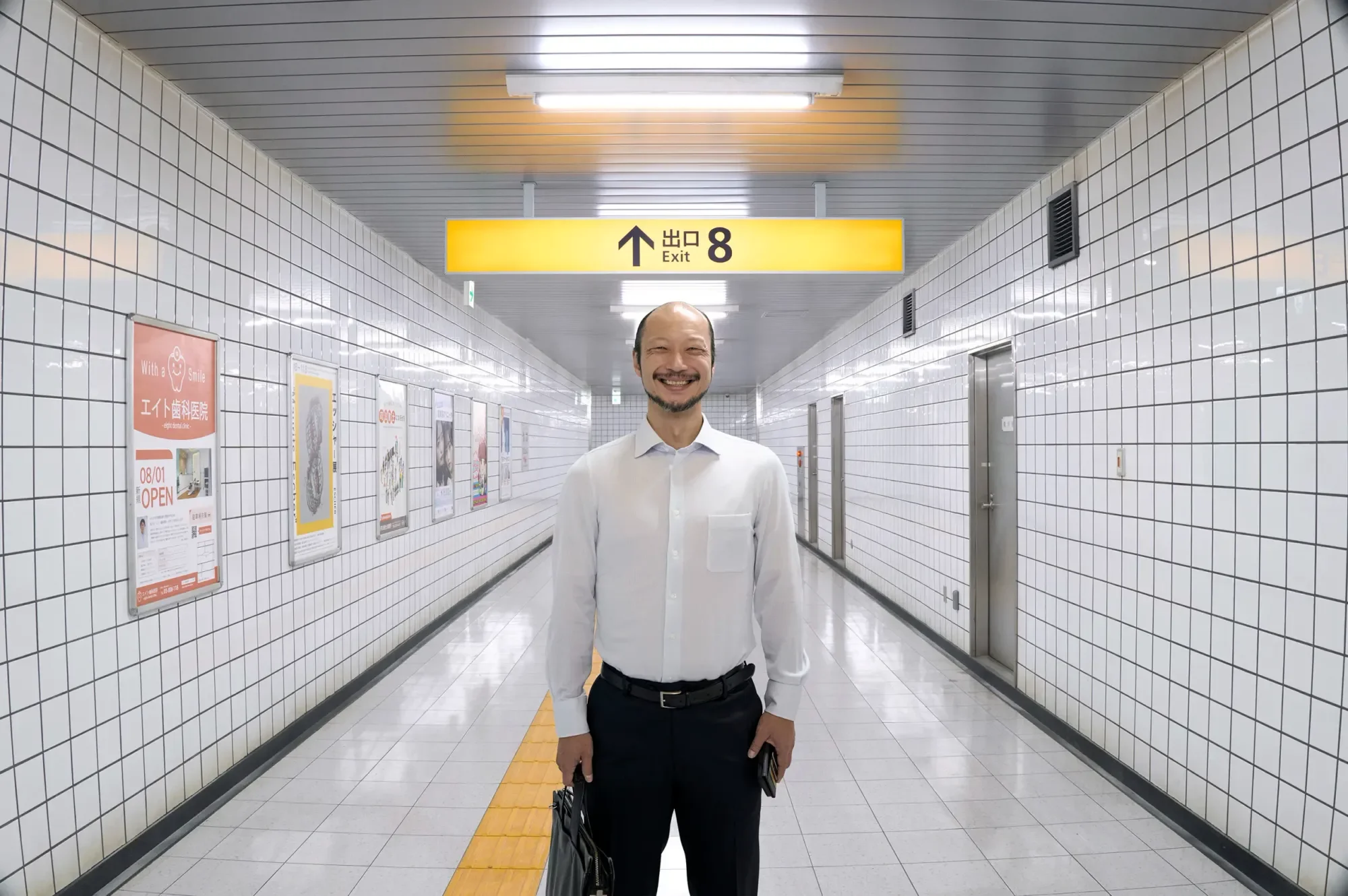
Exit 8 and the power of limitation
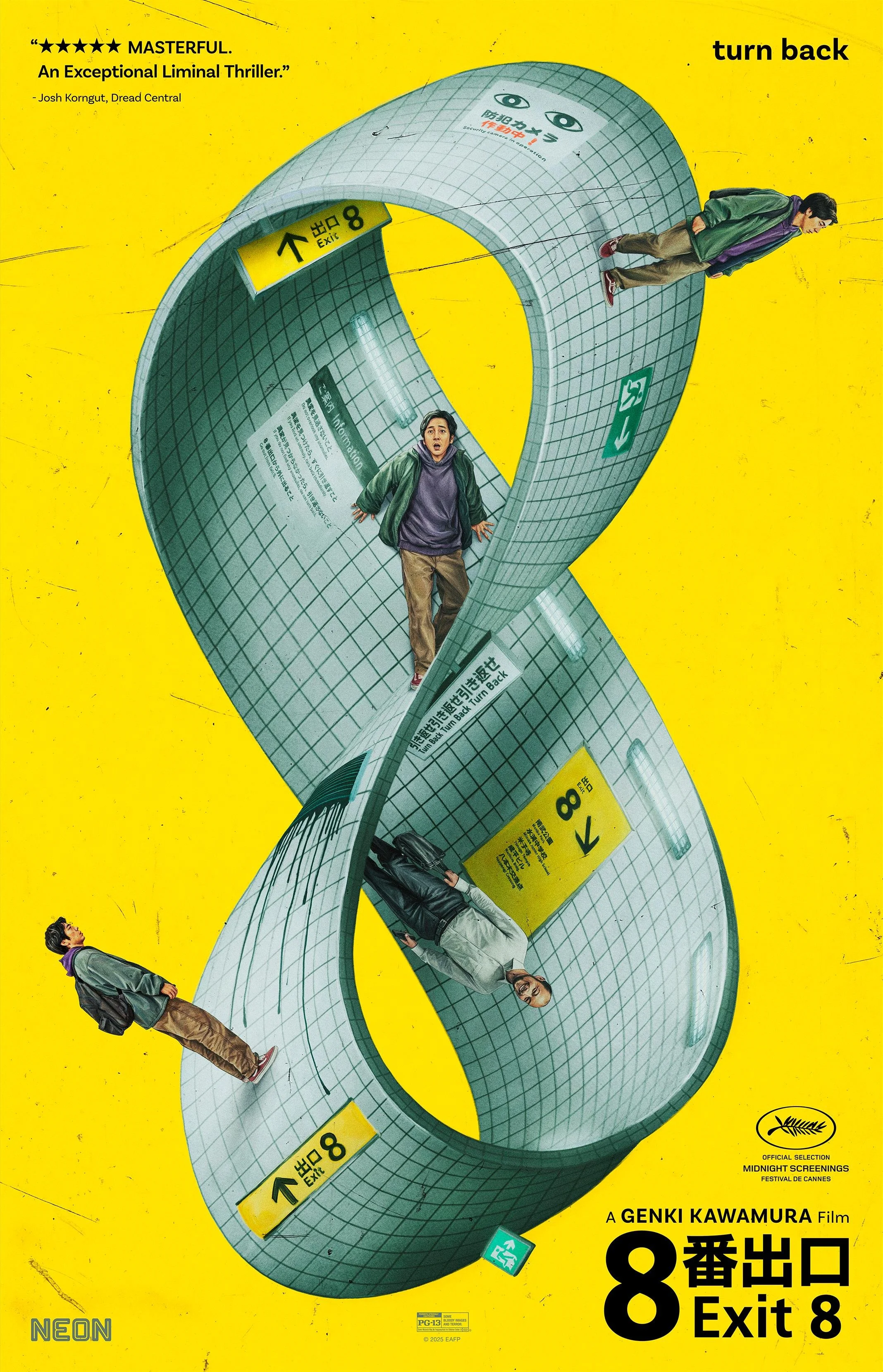
Exit 8
One corridor. Endless pressure.
A masterclass in turning limitation into tension.
ONE CORRIDOR • ENDLESS PRESSURE ... Exit 8 ...
〰️
ONE CORRIDOR • ENDLESS PRESSURE ... Exit 8 ... 〰️
Exit 8 is one of the best reminders I’ve had in a while that limitation can be a weapon.
What I admired most about Exit 8 is how much it gets out of restraint. Directed by Genki Kawamura, the film takes what could have easily felt restrictive and turns it into the entire engine. A contained setting. Repetition. Confinement. A premise that could absolutely fall apart if it wasn’t handled with control.
But it works.
More than that — it becomes gripping because of those limits, not in spite of them.
That’s what stuck with me. It doesn’t need to keep expanding to stay interesting. It doesn’t feel the need to constantly add more in order to hold attention. It commits to its design, and because of that, the tension starts to build in this hypnotic, unsettling way.
A lot of films mistake “more” for “better.” More locations. More exposition. More movement. More twists. More volume.
But Exit 8 is a reminder that sometimes the better move is the opposite:
Refine. Constrict. Commit.
If the filmmaking is precise enough, one corridor can become a maze. One repeated space can become psychological pressure. One simple framework can keep an audience locked in if it’s executed with confidence.
That applies to acting too, honestly. Sometimes power doesn’t come from doing more. It comes from holding the tension cleanly enough that people can feel it.
Tokyo! and the value of discomfort
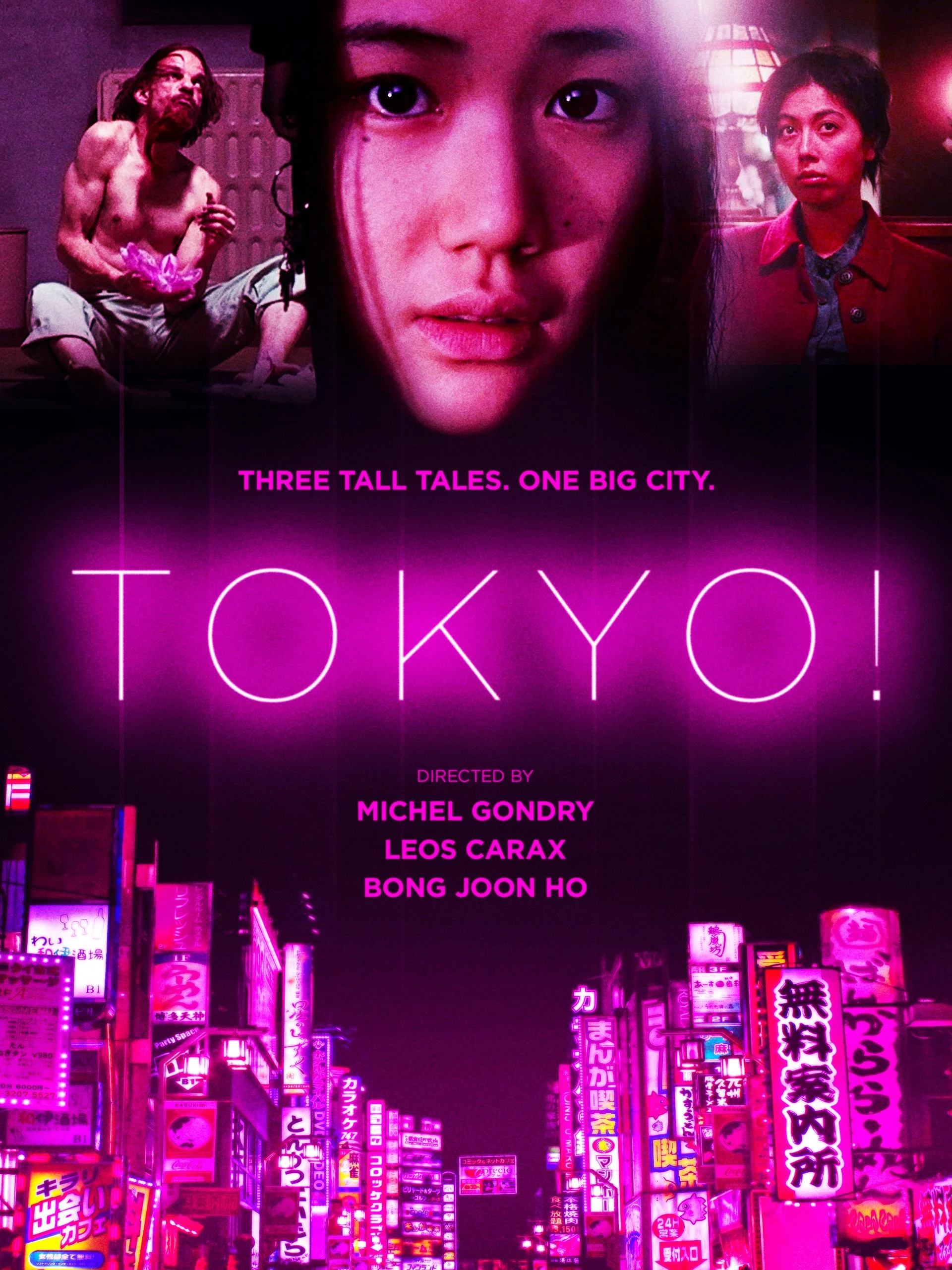
Tokyo!
Surreal, unsettling, and full of intent.
Proof that discomfort can carry meaning.
STRANGENESS WITH PURPOSE
〰️
STRANGENESS WITH PURPOSE 〰️
Tokyo! hit me from a completely different angle, but it landed in the same larger conversation.
Directed by Michel Gondry, Leos Carax, and Bong Joon-ho, this is not a film that feels interested in making itself easy for you. And I respect that.
It’s strange, metaphorical, uncomfortable, and deliberately off-balance. It doesn’t just want you to absorb plot and move on. It wants you to sit in ideas. In images. In absurdity. In discomfort. In the kind of feeling that lingers after you’re done watching because you’re still trying to unpack what exactly got under your skin.
That matters.
Because not every film should feel clean and frictionless. Some of the most interesting work is the work that unsettles you a little. The work that refuses to flatten itself into something immediately digestible. The work that risks weirdness because weirdness is the point.
That’s part of what makes Tokyo! so interesting to me. It feels like a film that understands that metaphor can sometimes say more than realism. That discomfort can reveal something more honest than politeness. That a city can become more than a backdrop — it can become pressure, alienation, performance, mutation, loneliness.
That kind of filmmaking stays alive because it actually asks something of the viewer.
It reminded me that film can still be art in the real sense of the word. Not just content. Not just product. Not just a vehicle to move a plot from point A to point B. Something stranger. Something riskier. Something with an actual pulse.
Tokyo Sonata and the weight of human truth
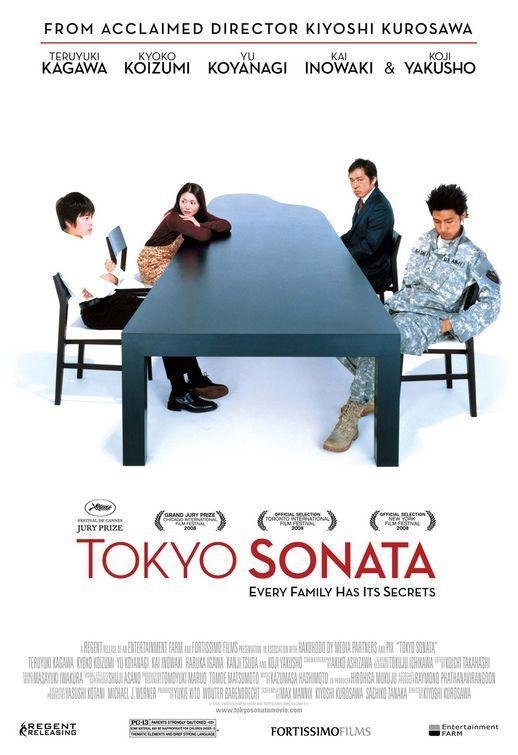
Tokyo Sonata
Quietly devastating. Still painfully relevant.
THE FACES WE WEAR
〰️
THE FACES WE WEAR 〰️
Tokyo Sonata hit me in a quieter way, but maybe just as hard.
Directed by Kiyoshi Kurosawa, what stayed with me there is how relevant it still feels.
Yes, it’s rooted in a specific economic moment. But the emotional truth underneath it never really expired, and that’s why it still works.
The pressure. The shame. The fear of instability. The performance people put on inside their own homes. The slow erosion of identity when life stops matching the role you thought you were supposed to occupy.
That all still exists.
Maybe the details shift. Maybe the headlines change. Maybe the outside packaging looks different. But the core human experience underneath it is still here, which is why the film still lands.
That’s what I found so strong about it. It doesn’t need to overplay its hand. It doesn’t need to scream to make its point. It just understands people. It understands what pressure does to pride. What silence does inside a family. What happens when everybody is trying, in their own way, to pretend things are still intact.
That kind of observation ages well because it’s rooted in something real.
And to me, that’s one of the most powerful things a film can do — be tied to a particular moment and still outlive that moment because what it’s actually saying goes deeper than circumstance.
Why these films belong together
This is exactly why I wanted to put these three films in the same blog instead of writing about them separately.
Because in my mind, they all point to the same lesson.
Exit 8 shows how limitation can become tension.
Tokyo! shows how discomfort and metaphor can become meaning.
Tokyo Sonata shows how quiet human truth can outlast the moment it came from.
Different methods. Same result.
None of these films made me think bigger automatically means better.
If anything, they reminded me of the opposite.
That control matters more than sprawl.
That atmosphere matters more than excess.
That precision matters more than showing off.
That a film with a real point of view can hit harder than something technically larger but spiritually emptier.
That’s the message tying all of this together for me.
Not that every film should be small.
Not that every film should be strange.
Not that every film should work in the same register.
Just that impact is not guaranteed by scale.
A film can take place in one corridor and still keep you locked in.
A film can get bizarre and metaphorical and leave you genuinely unsettled.
A film can come out of one era and still feel painfully current because people haven’t changed nearly as much as we pretend they have.
That’s part of what I love about cinema when it’s really working.
It doesn’t need to beg for your attention.
It just knows exactly what it’s doing.
Final thought
The older I get, the more I respect films that trust themselves.
Films that don’t overexplain.
Films that don’t confuse noise with depth.
Films that understand tension, design, discomfort, silence, and human behavior can carry more weight than spectacle ever will if they’re handled right.
That’s what these three reminded me of.
Different films. Different tones. Different structures.
Same lesson.
Scale isn’t impact.